
.png)
.png)
.png)


.png)
.png)
.png)
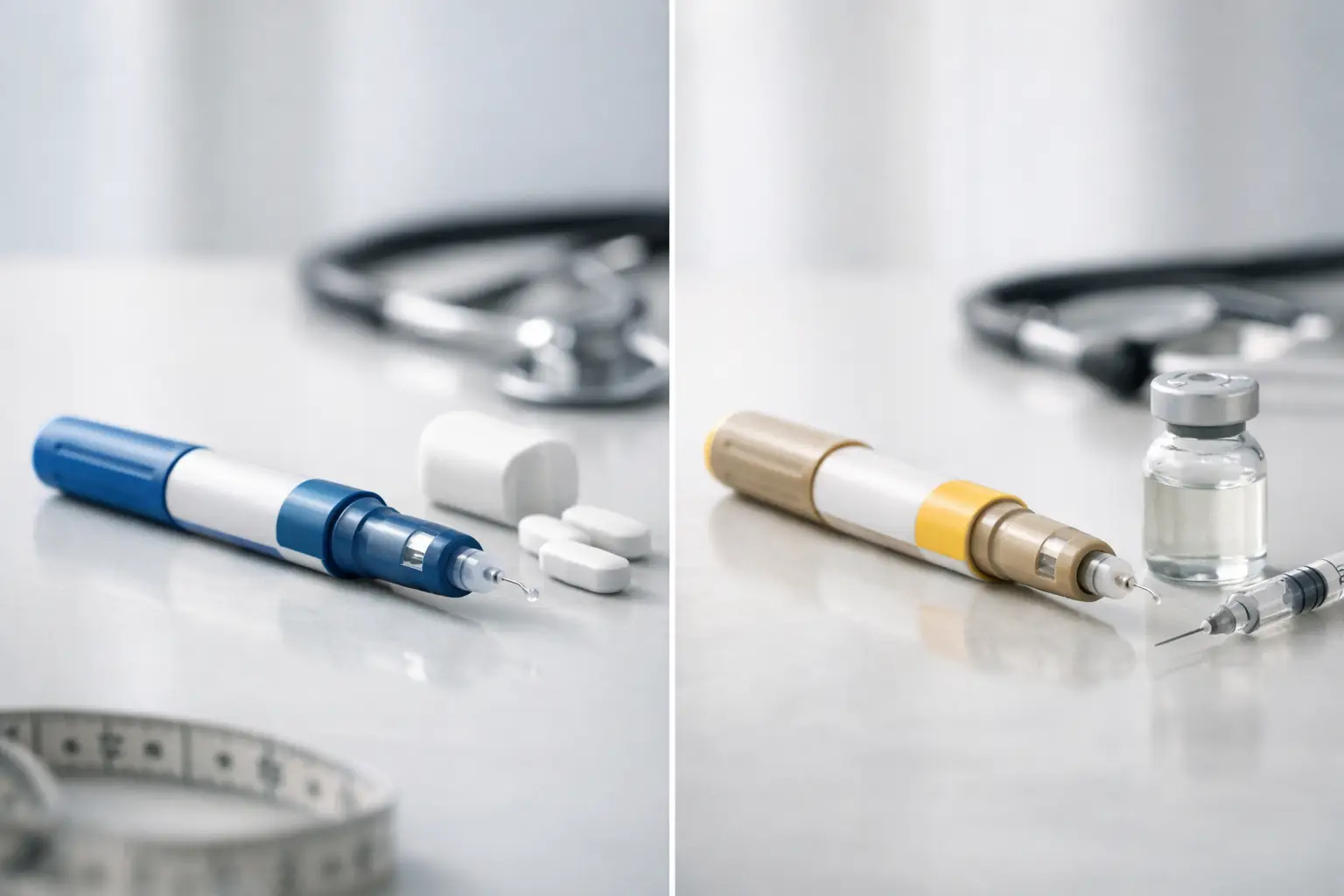
Semaglutide and tirzepatide are both injectable GLP-1 medications approved for weight loss, but tirzepatide produces greater average weight reduction. In the SURMOUNT-5 head-to-head clinical trial published in the New England Journal of Medicine, tirzepatide reduced body weight by 20.2% compared with 13.7% for semaglutide over 72 weeks. Both medications are effective, FDA-approved options for adults with obesity or overweight, and the right choice depends on your health history, your goals, and how your body responds.
If you are considering weight loss medication, this comparison covers everything you need to know before talking to your provider. We break down how each drug works, the clinical trial data behind the numbers, side effect profiles, dosing schedules, contraindications, weight regain data, and the factors that determine which medication fits your body and your goals.
How Do Semaglutide and Tirzepatide Work Differently in the Body?
Semaglutide works by mimicking a single gut hormone called GLP-1 (glucagon-like peptide-1), while tirzepatide works by mimicking two gut hormones simultaneously: GLP-1 and GIP (glucose-dependent insulinotropic polypeptide). This dual-agonist mechanism is the fundamental pharmacological difference between the two drugs and the primary reason tirzepatide produces greater weight loss in clinical trials.
GLP-1 is a hormone your body releases after eating. GLP-1 signals your brain that you are full, slows the rate at which food leaves your stomach (a process called gastric emptying), and stimulates insulin release to regulate blood sugar. Semaglutide, sold under the brand names Ozempic (for type 2 diabetes) and Wegovy (for weight management), amplifies this natural GLP-1 signal by binding to GLP-1 receptors throughout the body. The result is reduced appetite, slower digestion, and lower blood sugar levels.
Tirzepatide, sold under the brand names Mounjaro (for type 2 diabetes) and Zepbound (for weight management), activates both the GLP-1 receptor and the GIP receptor. GIP is another incretin hormone that influences insulin secretion, fat metabolism, and energy balance. By activating two receptor pathways instead of one, tirzepatide produces a broader metabolic effect. Our blog comparing peptides vs. Ozempic provides additional context on how these medications compare to other injectable weight loss options, including peptide therapies.
Both drugs are administered as once-weekly subcutaneous injections. Semaglutide also comes in a daily oral tablet form (Rybelsus for diabetes; oral Wegovy for weight loss), which gives it an accessibility advantage for patients who prefer not to inject. Tirzepatide is currently available only as an injectable, with no oral formulation on the market.
Is Tirzepatide More Effective Than Semaglutide for Weight Loss?
Yes, tirzepatide is more effective than semaglutide for weight loss based on the first head-to-head clinical trial comparing the two drugs at maximum doses. The SURMOUNT-5 trial, a phase 3b study of 751 adults with obesity or overweight conducted across 32 sites in the United States and Puerto Rico, found that tirzepatide produced 47% greater relative weight loss than semaglutide over 72 weeks.
The numbers from SURMOUNT-5, published in the New England Journal of Medicine, tell a clear story. Participants receiving tirzepatide lost an average of 20.2% of their body weight (approximately 50.3 pounds) compared with 13.7% (approximately 33 pounds) for participants receiving semaglutide. Additionally, 31.6% of tirzepatide patients achieved at least 25% body weight loss, compared with 16.1% in the semaglutide group.
These results align with what earlier independent trials showed. The SURMOUNT-1 trial found that tirzepatide at its maximum dose reduced body weight by 20.9% at 72 weeks. The STEP-1 trial found that semaglutide 2.4mg produced 14.9% weight loss at 68 weeks. The head-to-head comparison in SURMOUNT-5 confirmed what the cross-trial data suggested: tirzepatide's dual-agonist mechanism produces a clinically meaningful additional weight reduction over semaglutide's single-agonist approach.
That said, both medications produce weight loss that far exceeds what lifestyle intervention alone achieves. A medical weight loss program that includes either drug represents a significant clinical advantage over dieting and exercise without medication, which typically produces 3-5% body weight reduction. The question for most patients is not whether these drugs work, but which one works best for their specific body and health profile.
How Do the Side Effects of Semaglutide and Tirzepatide Compare?
The side effects of semaglutide and tirzepatide are similar in type but differ in frequency, with tirzepatide producing slightly lower rates of nausea and fewer treatment discontinuations due to gastrointestinal problems.
Both medications share a common side effect profile rooted in their effect on the digestive system. The most frequently reported adverse events across clinical trials for both drugs include the following:
- Nausea, which is the most common complaint during the dose-escalation phase and typically decreases over time
- Diarrhea, often mild to moderate and resolving within the first few weeks of each dose increase
- Constipation, caused by the slowed gastric emptying that both drugs produce
- Vomiting, most common during the initial weeks of treatment
- Abdominal pain, bloating, and heartburn
- Fatigue and headaches, reported at lower rates than GI symptoms
Cross-trial analysis from HealthRX found that nausea rates were 31-43% across tirzepatide dose groups in the SURMOUNT-1 trial compared with 44% in the STEP-1 semaglutide trial. The SURMOUNT-5 head-to-head comparison found that gastrointestinal adverse events causing treatment discontinuation were more common with semaglutide (5.6%) than with tirzepatide (2.7%), according to the American College of Cardiology's analysis of the trial data.
Both medications carry an FDA boxed warning, the strongest safety warning for prescription drugs, about the risk of thyroid C-cell tumors. This risk is based on animal studies, and the warning applies to patients with a personal or family history of medullary thyroid cancer or Multiple Endocrine Neoplasia syndrome type 2 (MEN 2). Neither drug should be used by patients with severe gastroparesis (stomach paralysis), and both are contraindicated during pregnancy.
FeatureSemaglutide (Wegovy)Tirzepatide (Zepbound)MechanismGLP-1 receptor agonist (single)GIP/GLP-1 dual receptor agonistAverage weight loss (SURMOUNT-5)13.7% (~33 lbs)20.2% (~50 lbs)Patients achieving 25%+ loss16.1%31.6%GI discontinuation rate5.6%2.7%Nausea rate (independent trials)~44% (STEP-1)31-43% (SURMOUNT-1)Formulations availableWeekly injection + daily oral tabletWeekly injection onlyCardiovascular outcome dataSELECT trial: 20% MACE reductionSURPASS-CVOT: ongoingFDA-approved for childrenWeight management: ages 12+T2DM: ages 10+Boxed warningThyroid C-cell tumorsThyroid C-cell tumors
Sources: SURMOUNT-5 (NEJM, 2025); STEP-1 (NEJM, 2021); SURMOUNT-1 (NEJM, 2022); SELECT trial (NEJM, 2023); American College of Cardiology; FDA prescribing information.
Do You Lose More Muscle on Semaglutide or Tirzepatide?
Both semaglutide and tirzepatide cause some degree of lean muscle mass loss along with fat loss, and neither drug has a clear advantage over the other in preserving muscle. Any significant weight reduction, whether from medication, surgery, or caloric restriction, results in some loss of lean tissue alongside adipose tissue. The clinical concern is ensuring that the ratio of fat loss to muscle loss favors fat.
The SURMOUNT-5 trial reported that weight loss was approximately 6% lower in men than in women across both treatment groups, according to the American College of Cardiology's analysis. This sex-based difference partially reflects differences in body composition, since men carry more lean mass on average and lose a proportionally different ratio of fat to muscle during rapid weight reduction.
Resistance training is the most effective strategy for preserving muscle during GLP-1 treatment. A primary care provider or weight loss specialist can design an exercise plan that prioritizes strength training alongside your medication regimen. Adequate protein intake, typically 1.0 to 1.2 grams per kilogram of body weight per day during active weight loss, further supports muscle preservation regardless of which drug you take.
How Does the Dosing Schedule Compare Between Semaglutide and Tirzepatide?
Both semaglutide and tirzepatide are dosed as once-weekly subcutaneous injections, but their dose escalation schedules and maximum dose levels differ. Both drugs start at a low dose and increase gradually over several weeks to reduce gastrointestinal side effects and allow the body to adjust.
Here is how the dose titration compares for the weight loss indications:
- Semaglutide (Wegovy) starts at 0.25mg weekly for four weeks, then increases to 0.5mg for four weeks, then 1.0mg for four weeks, then 1.7mg for four weeks, before reaching the maintenance dose of 2.4mg weekly. The full escalation takes approximately 16-20 weeks.
- Tirzepatide (Zepbound) starts at 2.5mg weekly for four weeks, then increases to 5mg for four weeks, then 7.5mg, then 10mg, then 12.5mg, before reaching the maximum dose of 15mg weekly. The full escalation can take 20-24 weeks depending on tolerability.
- Both medications allow providers to hold at a lower dose if side effects are significant, rather than forcing the patient to the maximum. The SURMOUNT-5 trial used the maximum tolerated dose for both drugs, meaning not every patient reached the highest tier.
Semaglutide has a distinct advantage in formulation flexibility. In addition to the weekly injection, semaglutide is available as a daily oral tablet, which appeals to patients who are uncomfortable with needles or prefer a daily routine over a weekly one. Tirzepatide does not currently have an oral option. For patients exploring the full range of weight loss shots and delivery methods, the oral vs. injectable distinction can influence medication choice.
What Are the First Signs Semaglutide or Tirzepatide Is Working?
The first signs semaglutide or tirzepatide is working are a noticeable decrease in appetite, reduced food cravings, smaller portion sizes at meals, and early weight loss of 2-5% within the first four to eight weeks of treatment.
Most patients report feeling less hungry within the first one to two weeks of starting either medication, even at the lowest dose. This appetite reduction comes from the GLP-1 pathway's effect on the brain's satiety centers and from slowed gastric emptying, which keeps food in the stomach longer and sustains the feeling of fullness between meals.
Weight loss on the scale typically becomes visible within the first month, though the rate varies by individual. Clinical trial data shows the most dramatic weight reduction occurs between months two and nine, with a plateau developing around months nine to twelve as the body reaches a new metabolic set point. Setting realistic weight loss goals based on these clinical timelines helps patients avoid frustration during the early weeks when the scale may not move as fast as expected.
Beyond the scale, early signs that the medication is working include improved blood sugar levels (especially in patients with prediabetes or insulin resistance), better sleep quality, increased energy during the day, and reduced joint pain from the initial weight reduction. Lab markers like fasting glucose, HbA1c, triglycerides, and blood pressure often improve before the patient reaches their target weight.
Who Should Not Take Semaglutide or Tirzepatide?
Patients with a personal or family history of medullary thyroid cancer, Multiple Endocrine Neoplasia syndrome type 2 (MEN 2), severe gastroparesis, or a known allergy to the medication's components should not take semaglutide or tirzepatide. Both drugs are also contraindicated during pregnancy.
The thyroid C-cell tumor warning is the most significant contraindication. Both medications stimulated thyroid C-cell tumor development in rodent studies. While no causal link has been established in humans, the FDA requires this boxed warning on all GLP-1 and GIP/GLP-1 medications. Patients with a history of thyroid cancer or MEN 2 are excluded from treatment.
Drug interactions are another important consideration. Patients taking insulin or sulfonylureas alongside either drug face an increased risk of hypoglycemia (dangerously low blood sugar) and may need dose adjustments to their existing diabetes medications. Both drugs slow gastric emptying, which can affect the absorption rate of other oral medications. Your provider should review your full medication list, including over-the-counter drugs and supplements, before starting either medication. Medication management that accounts for drug interactions prevents complications and maximizes the safety of your treatment plan.
Certain supplements can also interact with GLP-1 medications. Fat-soluble vitamins (A, D, E, K) may absorb differently when gastric emptying is slowed. Some herbal supplements that affect blood sugar, like berberine or chromium, should be discussed with your provider before combining with either drug. IV infusion therapy can provide nutrient support during treatment, bypassing the digestive system entirely and ensuring consistent nutrient absorption regardless of gastric emptying changes.
Has Anyone Kept Weight Off After Stopping Semaglutide or Tirzepatide?
Yes, some patients keep weight off after stopping semaglutide or tirzepatide, but the majority regain a significant portion of their lost weight within one to two years of discontinuation if lifestyle changes are not firmly established.
The STEP-1 extension study found that participants who stopped semaglutide after 68 weeks regained approximately two-thirds of the weight they had lost within one year of discontinuation. This weight regain pattern is consistent with obesity's classification as a chronic disease: removing the treatment does not remove the underlying biological drivers of weight gain, including hormonal signaling, metabolic adaptation, and genetic predisposition.
The patients who maintain their weight loss after discontinuation share common characteristics. They established consistent exercise habits during treatment, particularly resistance training that preserved lean muscle mass. They adopted lasting nutritional changes rather than relying solely on the medication's appetite suppression. And they worked with providers who built a structured maintenance plan before tapering the medication. Understanding how hormones can make weight loss more difficult helps explain why some patients need longer treatment durations or ongoing low-dose maintenance to sustain their results.
Both drug manufacturers and clinical guidelines increasingly frame these medications as long-term treatments rather than short courses. The Cleveland Clinic's endocrine pharmacist Diana Isaacs emphasizes that tirzepatide and semaglutide are meant to be long-term medications because obesity is a chronic condition, just like diabetes. Stopping either drug without a transition plan carries the same risk as stopping a blood pressure medication and expecting the blood pressure to stay low.
How Do You Decide Which Medication Is Right for You?
The decision between semaglutide and tirzepatide depends on your weight loss goals, your medical history, your tolerance for side effects, whether you prefer an injection or an oral option, your insurance coverage, and your provider's clinical assessment of your metabolic profile.
If maximum weight reduction is your primary goal and you tolerate injectable medication, tirzepatide's superior efficacy data makes it the stronger clinical option based on current evidence. The SURMOUNT-5 trial demonstrated a 47% greater relative weight loss with tirzepatide compared with semaglutide at maximum tolerated doses, and tirzepatide also showed lower GI discontinuation rates.
If cardiovascular risk reduction matters for your clinical picture, semaglutide has a current advantage. The SELECT trial, published in the New England Journal of Medicine in 2023, demonstrated that semaglutide produced a 20% reduction in major adverse cardiovascular events (MACE) in adults with established cardiovascular disease and obesity but without diabetes. Tirzepatide's cardiovascular outcomes trial (SURPASS-CVOT) is still ongoing, so equivalent data for tirzepatide does not yet exist.
If you prefer a non-injectable option, semaglutide offers a daily oral tablet. If your insurance covers one drug but not the other, that coverage difference may determine your starting point. Many patients begin with one medication and switch to the other based on how their body responds, which is a normal and appropriate part of the treatment process.
The best decision comes from a conversation with a provider who understands both drugs, reviews your full health history, and monitors your response over time. Telehealth appointments make it easy to have that initial conversation without disrupting your schedule, and follow-up visits can alternate between in-person and virtual depending on your needs.
At our practice here in Hialeah, we evaluate every weight management patient individually because the data shows that the best medication is the one that fits your body, not the one with the highest headline number. Your metabolic profile, your health history, your medication tolerance, and your personal goals all factor into the recommendation. That is what separates a medically supervised weight loss program from an online prescription mill.
Frequently Asked Questions
Can I Lose 20 Pounds in 2 Months on Semaglutide?
Losing 20 pounds in 2 months on semaglutide is possible but not typical during the early phase of treatment. Semaglutide's dose escalation takes approximately 16-20 weeks to reach the full maintenance dose, and the most significant weight loss occurs during months two through nine. The STEP-1 trial showed average weight loss of 14.9% over 68 weeks, which translates to roughly 1-2 pounds per week on average. Some patients lose faster in the early months; others see more gradual results that accelerate as the dose increases.
How Long Does It Take to Lose 20 Pounds on Tirzepatide?
Losing 20 pounds on tirzepatide typically takes 8 to 16 weeks, depending on your starting weight, your dose, and your adherence to nutritional and activity recommendations. The SURMOUNT-5 trial showed average weight loss of approximately 50 pounds over 72 weeks, but the weight loss curve is steepest in the first six months. Patients at higher starting weights often reach 20 pounds of loss faster because the initial caloric deficit produces more rapid results when body mass is greater.
Should I Inject Semaglutide in the Morning or at Night?
You can inject semaglutide at any time of day, with or without food. The most important factor is consistency: choose a time that fits your schedule and inject at the same time each week. Some patients prefer morning injections to align with their weekly routine. Others prefer evening injections because GI side effects like nausea are less disruptive during sleep. There is no clinical evidence that injection timing affects the medication's efficacy.
Can I Skip a Week of Semaglutide for Vacation?
Skipping one week of semaglutide is generally safe because the drug has a long half-life of approximately seven days, meaning it remains active in your system between doses. However, skipping multiple weeks can reduce the medication's effectiveness and may require a dose re-escalation when you resume. If you plan to skip a dose, inform your provider in advance. They can advise you on the safest approach based on your current dose and treatment stage.
What Should You Not Do While on Tirzepatide?
While on tirzepatide, you should not eat large, high-fat meals that overwhelm your slowed digestive system, consume excessive alcohol (which compounds nausea and liver strain), skip follow-up appointments with your provider, or stop taking the medication abruptly without medical guidance. You should also avoid starting new medications or supplements without informing your provider, since tirzepatide's effect on gastric emptying can change how other drugs are absorbed.
Which Medication Has Better Cardiovascular Data?
Semaglutide currently has stronger cardiovascular outcome data. The SELECT trial, published in the New England Journal of Medicine in 2023, showed a 20% reduction in major adverse cardiovascular events among adults with established cardiovascular disease and obesity without diabetes. Tirzepatide's cardiovascular outcomes trial (SURPASS-CVOT) is ongoing and has not yet reported results. Until SURPASS-CVOT data is published, semaglutide holds the evidence-based advantage for patients whose cardiovascular risk is a primary treatment consideration.
The Takeaway
Semaglutide and tirzepatide are both clinically proven, FDA-approved medications that produce significant weight loss far beyond what diet and exercise alone achieve. Tirzepatide's dual-agonist mechanism gives it a measurable edge in total weight reduction, with the SURMOUNT-5 trial showing 20.2% body weight loss versus 13.7% for semaglutide. Semaglutide holds an advantage in cardiovascular outcome data, oral formulation availability, and longer real-world prescribing history. Both drugs share similar side effect profiles, though tirzepatide shows lower GI discontinuation rates in head-to-head comparison.
The right choice is the one your provider recommends after reviewing your health history, your goals, your insurance options, and your personal preferences. At South Florida Med Group, we work with patients across South Florida to find the weight loss approach that fits their body, their budget, and their long-term health. Call (786) 860-8844 or book an appointment to start the conversation.



.png)

.png)
