
.png)
.png)
.png)


.png)
.png)
.png)
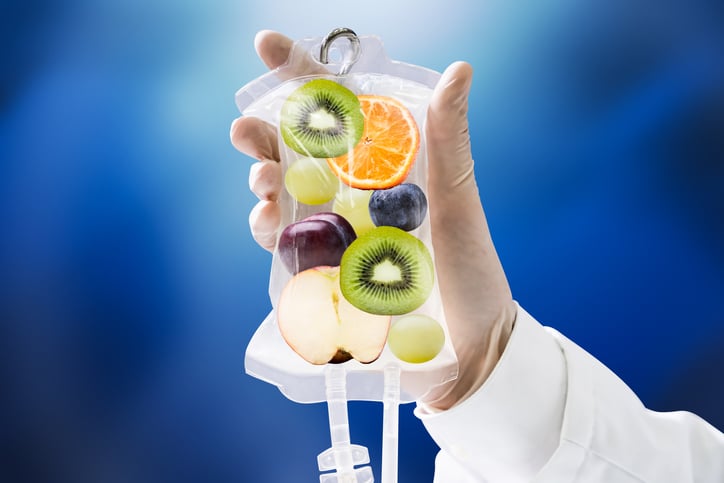
Hydration therapy benefits the body by delivering fluids, electrolytes, vitamins, and minerals directly into the bloodstream for faster absorption and more complete rehydration than drinking water alone. It supports energy levels, immune function, mental clarity, and recovery from illness or physical stress. This article covers how hydration therapy works, what it does for different parts of the body, who benefits most from it, how quickly results happen, and what to expect during a session.
What Does Hydration Therapy Do for You?
Hydration therapy delivers a mix of saline solution, electrolytes, vitamins, and minerals directly into a vein through a small catheter. This method skips the digestive system entirely, so the body absorbs close to 100% of the nutrients right away. Oral supplements, by comparison, lose a large portion of their potency during digestion. Research published in the journal Cureus in 2025 confirmed that IV administration can raise plasma vitamin C levels up to 100 times higher than oral supplements.
The human body is about 60% water, according to the Cleveland Clinic. Every cell, organ, and tissue depends on water to work correctly. Water regulates body temperature, cushions joints, carries nutrients to cells, and flushes out waste. When the body loses more fluid than it takes in, dehydration sets in and can affect everything from brain function to heart health.
According to the National Institutes of Health (NIH) StatPearls database, dehydration is one of the leading causes of hospitalization, accounting for roughly 1% to 3% of all hospital admissions in the United States. A 2007 study published in the Annals of Epidemiology found that approximately 518,000 hospitalizations in 2004 were primarily caused by dehydration, with healthcare costs exceeding $5 billion. These numbers show just how serious poor hydration can be, and why proactive IV infusion therapy is becoming a mainstream wellness option.
How Often Should You Do Hydration Therapy?
How often you should do hydration therapy depends on your health goals, activity level, and overall condition. Most healthy adults benefit from sessions once every two to four weeks as part of a preventive wellness routine. People recovering from illness, athletes with intense training schedules, or individuals with chronic fatigue may benefit from weekly sessions for a period of time.
A provider will assess your medical history and current health to recommend the right frequency. Factors like your diet, how much water you drink daily, the climate you live in, and any ongoing medical conditions all play a role. According to the Institute of Medicine, men should aim for about 13 cups of fluid per day and women about 9 cups, yet many Americans fall short of these goals.
We always start with a conversation about what your body needs. There is no one-size-fits-all schedule. Some patients come in seasonally during South Florida's hottest months, while others keep a consistent monthly routine year-round. The key is working with a primary care provider who can adjust the plan as your needs change.
What Are the Main Benefits of Hydration Therapy?
Does IV Hydration Help With Energy and Fatigue?
Yes, IV hydration helps with energy and fatigue by replenishing fluids and delivering B vitamins, magnesium, and other nutrients that the body needs to produce energy at the cellular level. Even mild dehydration of just 1% to 2% of body weight can cause noticeable fatigue. A pair of studies conducted at the University of Connecticut's Human Performance Laboratory found that mild dehydration triggered fatigue, headaches, and difficulty concentrating in both men and women, even when they were sitting still.
When the body is dehydrated, blood volume drops. The heart has to work harder to pump blood and deliver oxygen to muscles and organs. This extra strain makes you feel tired, sluggish, and mentally foggy. IV hydration restores blood volume quickly, which eases the workload on the heart and helps you feel more alert within minutes.
Does IV Hydration Support the Immune System?
IV hydration supports the immune system by delivering high doses of vitamin C, zinc, and other immune-boosting nutrients directly into the bloodstream. The body uses these nutrients to fight off infections, reduce inflammation, and support white blood cell production.
According to the CDC, 6 in 10 adults in the United States have at least one chronic disease. Chronic conditions put extra strain on the immune system. IV hydration therapy can help fill nutritional gaps that weaken immune defenses, especially for people whose digestive systems do not absorb nutrients well. Conditions like Crohn's disease, celiac disease, and irritable bowel syndrome can all reduce nutrient absorption through the gut.
Can Hydration Therapy Improve Skin Health?
Hydration therapy can improve skin health by restoring moisture from the inside out. Skin is the body's largest organ, and it is one of the first places to show signs of dehydration. Dry, dull, and flaky skin is often a sign that the body needs more water and nutrients.
IV treatments that include vitamin C, biotin, and glutathione support collagen production and protect skin cells from oxidative damage. Collagen is the protein that keeps skin firm and elastic. The body's natural collagen production slows down with age, and proper hydration helps maintain the skin's structure for longer.
How Does Hydration Therapy Help With Recovery?
Hydration therapy helps with recovery by delivering fluids and nutrients directly to cells that need them most, which speeds up the healing process after illness, surgery, intense exercise, or general physical stress. Athletes, in particular, lose large amounts of water and electrolytes through sweat. A study published in the Journal of Strength and Conditioning Research found that after mild dehydration, consuming fluids could return the body to a healthy hydrated state in under one hour.
For post-surgical patients and those recovering from illness, IV hydration can reduce nausea, restore electrolyte balance, and support organ function during a time when eating and drinking may be difficult. This is one reason why hospitals have relied on IV therapy as a cornerstone of patient care for over a century.
How Quickly Do IV Fluids Work?
IV fluids begin working within seconds of entering the bloodstream. Most people start to feel noticeable improvement within 15 to 30 minutes of starting the infusion. A typical hydration therapy session lasts between 30 and 60 minutes from start to finish.
This speed is one of the biggest advantages over oral hydration. When you drink water, it must travel through the esophagus, stomach, and small intestine before the body absorbs it. This process takes anywhere from 60 to 120 minutes depending on what else is in your stomach. IV fluids skip all of that and enter circulation immediately, which is why hospitals use them for patients who need rapid rehydration.
The effects of a single IV hydration session can last anywhere from several hours to a few days, depending on your metabolism, activity level, diet, and how dehydrated you were before the session. Staying consistent with water intake after treatment helps extend the benefits.
How Soon After an IV Do You Feel Better?
Most people feel better within 30 to 45 minutes after receiving an IV. Common improvements include reduced headache, less dizziness, more energy, and clearer thinking. Some patients report feeling the effects even sooner, within the first 15 minutes of the infusion.
The severity of your dehydration matters. Someone with mild dehydration may bounce back almost instantly. Someone who is severely dehydrated, perhaps from prolonged illness, vomiting, or extreme heat exposure, may need several hours or even multiple sessions to fully recover. Your provider will monitor your response and adjust treatment as needed.
We see patients in our Hialeah office who come in feeling completely drained and walk out with a noticeable difference in energy and mood. That quick turnaround is what makes hydration therapy such a popular option for people dealing with busy schedules, travel fatigue, or seasonal illness. A regular wellness visit can help determine whether hydration therapy is the right addition to your health routine.
What Organ Fails First From Dehydration?
The kidneys are the organ that fails first from dehydration. The kidneys filter about 120 to 150 quarts of blood every day and produce 1 to 2 quarts of urine, according to the National Institute of Diabetes and Digestive and Kidney Diseases (NIDDK). They need a steady supply of water to remove waste products and toxins from the blood.
When the body is dehydrated, blood flow to the kidneys drops. The kidneys cannot filter waste effectively, and toxins start to build up. Prolonged dehydration can lead to kidney stones, urinary tract infections, and in severe cases, acute kidney injury. Research published in the British Journal of Urology found that chronic dehydration significantly increases the risk of kidney stone formation.
The brain is also highly sensitive to fluid loss. It is roughly 73% water, and even a small drop in hydration can cause confusion, irritability, and impaired decision-making. According to the NIH, dehydration in older adults is associated with longer hospital stays, higher healthcare costs, and increased mortality rates. This is why early intervention with proper hydration, whether through oral intake or IV therapy, is so important.
Is 2 Bags of IV Fluid a Lot?
Two bags of IV fluid is a moderate amount and is common in clinical settings for patients with moderate to severe dehydration. A standard IV bag holds about 1,000 milliliters (1 liter) of fluid. Two bags would deliver roughly 2 liters total, which is appropriate for someone who has lost a significant amount of fluid through illness, vomiting, diarrhea, or excessive sweating.
For healthy adults receiving hydration therapy for wellness purposes, one bag is usually enough per session. Your provider determines the right amount based on your body weight, hydration status, lab results, and health goals. Too much fluid in patients with heart or kidney conditions can lead to fluid overload, which is why it is critical to have a licensed medical professional manage every session.
We always assess each patient individually before starting treatment. A regular health screening helps identify any conditions that might affect how much fluid your body can safely handle.
Do You Pee Out IV Fluids?
Yes, you do pee out IV fluids. The kidneys process the fluids delivered through an IV just like they process any other liquid in the body. Once the body absorbs what it needs, the kidneys filter out the excess and send it to the bladder as urine.
It is completely normal to urinate more frequently during and after an IV hydration session. In fact, increased urine output with a lighter color is a good sign that your body is properly rehydrated. Dark yellow or amber-colored urine usually means the body still needs more fluid.
The body does not store excess water indefinitely. It takes what it needs for cellular function, nutrient transport, and waste removal, then eliminates the rest. This is why consistent hydration, whether through regular water intake or periodic infusion therapy, is important for long-term health.
IV Hydration Therapy vs. Oral Hydration: How Do They Compare?
The difference between IV hydration therapy and oral hydration comes down to speed, absorption, and effectiveness, especially in situations where the body needs fluids fast. The table below breaks down the key differences.
FactorIV Hydration TherapyOral HydrationAbsorption RateClose to 100% enters the bloodstream directlyApproximately 50% to 60% absorbed through the gutTime to Feel Effects15 to 30 minutes60 to 120 minutesNutrient DeliveryVitamins, minerals, and electrolytes delivered at full potencySome nutrients lost during digestionBest ForModerate to severe dehydration, illness, athletic recovery, nutrient deficiencyMild dehydration, daily maintenanceMedical SupervisionRequired; administered by licensed healthcare professionalsNot required; self-administeredDigestive System InvolvementBypasses the digestive system entirelyMust pass through the stomach and intestines
Sources: Cureus (2025), Cleveland Clinic, Journal of Strength and Conditioning Research, University of Connecticut Human Performance Laboratory
Oral hydration is perfect for everyday use. Drinking water throughout the day keeps the body functioning well. But when dehydration is moderate or severe, when the digestive system is compromised, or when the body needs a fast boost of vitamins and minerals, IV hydration therapy delivers results that drinking water simply cannot match.
Who Benefits Most From Hydration Therapy?
Can Hydration Therapy Help People With Chronic Illness?
Yes, hydration therapy can help people with chronic illness by addressing nutrient deficiencies and supporting the body's ability to manage ongoing conditions. Patients with diabetes, autoimmune disorders, chronic fatigue syndrome, and gastrointestinal conditions often struggle to absorb enough nutrients through food alone.
According to the CDC, approximately 129 million Americans have at least one major chronic disease. Many of these conditions either cause dehydration directly or make it harder for the body to stay properly hydrated. IV therapy gives the body a direct line to the fluids and nutrients it needs without relying on a digestive system that may not be working at full capacity.
Proper medication management combined with IV hydration therapy can create a more complete care plan for patients dealing with complex health conditions.
Is Hydration Therapy Good for Athletes?
Hydration therapy is excellent for athletes because intense physical activity depletes fluids, electrolytes, and key minerals at a much faster rate than normal daily life. Sodium, potassium, calcium, and magnesium all leave the body through sweat, and losing too much of them impairs muscle function, coordination, and endurance.
Research from the Journal of Athletic Training shows that a body weight loss of just 2% from sweating can reduce athletic performance by up to 25%. IV hydration restores these losses rapidly, which is why professional sports teams and elite athletes have used IV therapy as part of their recovery protocols for years.
Does Hydration Therapy Help Older Adults?
Hydration therapy helps older adults significantly because the risk of dehydration increases with age. According to the NIH, dehydration prevalence among older adults in the United States ranges from 17% to 28%. Older individuals are 20% to 30% more likely to develop dehydration due to reduced thirst sensation, mobility limitations, chronic illness, and medication side effects.
Dehydration in older adults leads to confusion, falls, urinary tract infections, and hospitalization. A study published in the American Journal of Health-System Pharmacy found that avoidable hospitalizations for dehydration in elderly patients could have saved the U.S. healthcare system over $1 billion in 1999 alone. IV hydration therapy provides a safe, efficient way to keep older adults properly hydrated, especially those who have trouble drinking enough fluids on their own.
Regular visits with a primary care physician help catch early signs of dehydration before they become serious.
What Are the 7 Signs of Dehydration?
The seven signs of dehydration are dark yellow urine, dry mouth, fatigue, dizziness, headache, muscle cramps, and rapid heartbeat. These symptoms range from mild to severe and can appear quickly, especially in hot climates or during illness.
- Dark yellow urine is one of the earliest and most reliable signs. Healthy, well-hydrated urine is pale and straw-colored.
- Dry mouth and thirst happen because the body reduces saliva production to conserve water. By the time you feel thirsty, dehydration has already begun.
- Fatigue and low energy set in because dehydrated cells cannot produce energy efficiently. The University of Connecticut studies confirmed fatigue as a primary symptom of even mild dehydration.
- Dizziness or lightheadedness occurs when blood volume drops and the brain does not get enough blood flow.
- Headache is common because the brain temporarily contracts from fluid loss, pulling away from the skull and triggering pain.
- Muscle cramps happen when electrolytes like sodium and potassium fall too low. These minerals control muscle contractions, and without enough of them, muscles spasm.
- Rapid heartbeat is a sign of more severe dehydration. The heart compensates for lower blood volume by beating faster to maintain blood pressure.
If you notice several of these signs at once, it is important to rehydrate immediately. For mild cases, water and electrolyte drinks can help. For moderate to severe cases, IV hydration therapy delivers relief much faster. A primary care provider can evaluate your hydration status and recommend the right approach.
Can You Drive Home After an Infusion?
Yes, you can drive home after an infusion in most cases. Hydration therapy is not sedating, and most patients feel better, not worse, after a session. There is no anesthesia involved, and the procedure does not impair your ability to drive or perform normal activities.
Some patients experience mild lightheadedness right after the needle is removed, but this usually passes within a minute or two. If you came in feeling very dehydrated or unwell, you may want to sit for a few extra minutes before heading out. Your provider will let you know when it is safe to leave.
After treatment, we recommend avoiding intense exercise for the rest of the day and drinking water to extend the benefits of the session.
What Happens During a Hydration Therapy Session?
A hydration therapy session begins with a brief consultation. Your provider reviews your medical history, asks about your symptoms and goals, and determines the best fluid and nutrient blend for your needs.
Next, a small catheter is inserted into a vein, usually in the arm or hand. The area is cleaned and prepped before insertion. Once the IV line is in place, the fluid drip begins. Most sessions last 30 to 60 minutes. During this time, you can sit comfortably, read, use your phone, or simply relax.
The process is straightforward and low-stress. Many patients say they barely feel the needle after the initial stick. Once the infusion is complete, the catheter is removed, a small bandage is applied, and you are free to go about your day. A quick telehealth visit beforehand can help determine whether you are a good candidate for hydration therapy before you come into the office.
How Is the IV Hydration Therapy Market Growing?
The IV hydration therapy market is growing rapidly as more people prioritize preventive health and wellness. According to Grand View Research, the global IV hydration therapy market was valued at $2.83 billion in 2025 and is projected to reach $5.66 billion by 2033, growing at a compound annual growth rate of 9.2%. North America accounts for nearly 48% of the global market, driven by high consumer awareness and increasing demand for on-demand wellness services.
This growth reflects a real shift in how people think about healthcare. Instead of waiting until a problem becomes serious, more patients are using treatments like hydration therapy to stay ahead of issues like dehydration, nutrient deficiency, and chronic fatigue. The rise of mobile IV services and IV therapy education has made the treatment more accessible than ever before.
Frequently Asked Questions
Will IV Fluids Lower Creatinine Levels?
IV fluids can help lower creatinine levels by improving kidney function through better hydration. Creatinine is a waste product that the kidneys filter out of the blood. When you are dehydrated, the kidneys work less efficiently and creatinine levels rise. Restoring proper hydration with IV fluids supports kidney filtration and can bring creatinine levels back toward a normal range. However, consistently high creatinine levels may indicate a deeper kidney issue that requires medical evaluation.
Does IV Hydration Help POTS?
IV hydration does help many patients with POTS (postural orthostatic tachycardia syndrome) by increasing blood volume and improving circulation. POTS causes a rapid heart rate and dizziness when standing up, largely because blood volume is too low. IV saline infusions have been used in clinical settings to manage POTS symptoms and provide relief. According to Dysautonomia International, IV saline is one of the most commonly used treatments for acute POTS flare-ups.
When Do They Hospitalize You for Dehydration?
Doctors hospitalize patients for dehydration when symptoms become severe, including confusion, extremely low blood pressure, inability to keep fluids down, rapid heart rate, or signs of organ dysfunction. According to the NIH, dehydration accounts for 1% to 3% of all hospital admissions in the United States, and rates spike during heat waves and flu season. Early treatment with IV fluids in an outpatient setting can often prevent the need for hospitalization.
Why Don't Urgent Cares Give IV Fluids?
Some urgent care centers do not give IV fluids because they lack the staffing, equipment, or protocols to safely administer and monitor IV treatments. Providing IV therapy requires trained nurses, proper supplies, and the ability to watch for complications. Many urgent care facilities focus on quick assessments and prescriptions rather than in-office infusions. However, an increasing number of primary care practices and wellness clinics now offer IV hydration as a standard service.
Will the ER Give You an IV for Dehydration?
Yes, the emergency room will give you an IV for dehydration, especially if your symptoms are severe enough to require immediate medical attention. ER doctors commonly use IV saline to stabilize patients with dangerously low fluid levels. However, ER visits for dehydration are costly. Research from the Agency for Healthcare Research and Quality (AHRQ) shows that dehydration-related hospitalizations are among the most preventable admissions in the U.S. healthcare system.
Is IV Hydration Worth It?
IV hydration is worth it for many people, especially those dealing with moderate dehydration, chronic fatigue, nutrient deficiencies, or conditions that impair the digestive system's ability to absorb nutrients. The near-100% absorption rate, fast results, and ability to customize the nutrient blend to your specific needs make it a highly effective option. For individuals who want a proactive approach to weight loss and overall wellness, IV hydration can be a valuable part of a broader health plan.
Putting It All Together
Hydration therapy is a fast, effective, and clinically supported way to restore the body's fluid balance, deliver essential nutrients, and support long-term health. From boosting energy and strengthening the immune system to helping with recovery and managing chronic conditions, the benefits are backed by real data and real patient outcomes. Whether you are an athlete, an older adult, or someone who simply wants to feel their best, hydration therapy offers a direct path to better hydration that drinking water alone cannot always provide.
If you are curious about whether hydration therapy is right for you, South Florida Med Group is here to help.
Give us a call at (786) 860-8844 to learn more or schedule a session.



.png)

.png)
